Residency or citizenship by investment: what's the difference?
Two routes that are often mentioned together but serve different goals. A plain-language guide to choosing between them.

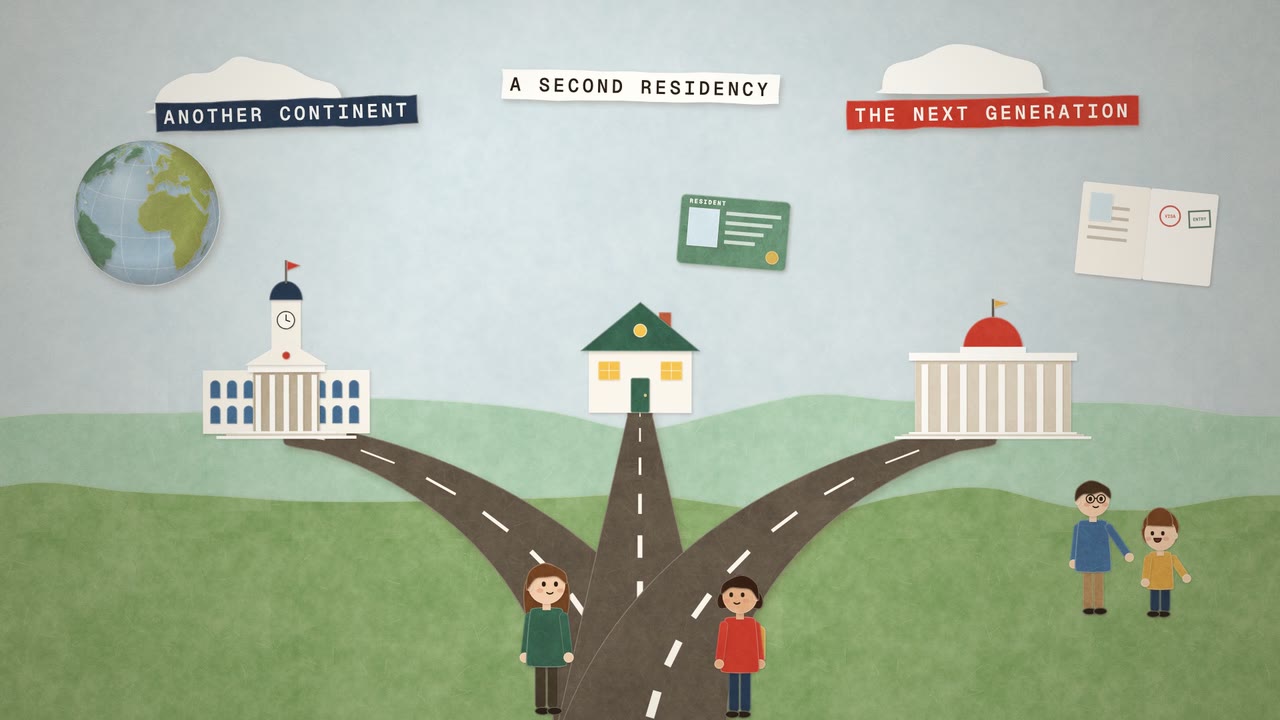
"Investment migration" covers two quite different outcomes. Understanding the distinction is the first — and most important — step in choosing the right path for your family.
Residency by investment
A residency programme grants the right to live in a country, and often to move freely within a wider region, in exchange for a qualifying investment. You keep your existing citizenship. Depending on the programme, residency can bring:
- The right to live, study and often work in the country.
- Access to local schools, universities and healthcare systems.
- In some cases, a pathway to permanent residency and eventually citizenship through naturalisation, subject to that country's residence and integration requirements.
Some programmes expect you to spend meaningful time in the country each year; others ask for very little. That single detail changes which programme suits you.
Citizenship by investment
A citizenship programme grants a second nationality — and with it, a second passport — following a qualifying contribution or investment and thorough due diligence. Citizenship is usually permanent and can often be passed to future generations.
Families typically consider citizenship when they want:
- A long-term "plan B" that doesn't depend on a visa or a residence permit.
- Greater travel flexibility for business or family.
- A secure foundation to pass on to children.
Questions that decide the route
- Do you want to live there, or simply have the option? Residency suits those planning to move. Citizenship suits those planning for security and mobility.
- How much time can you spend in the country? Physical presence requirements vary widely.
- Does your current country permit dual citizenship? This must be checked before anything else.
- Who is included? Spouses, children, and sometimes parents or grandparents can be included — but the rules differ by programme.
- What are your education plans? For many of our clients, residency and admissions are linked: the right residency can open doors to a country's universities.
A decision worth making carefully
Programmes change, and the right answer depends entirely on a family's circumstances. We never recommend a programme until we understand yours. If you're weighing your options, a free consultation is the best place to start — every detail is discussed privately there.